Boxing Camp Schedule
A Typical Boxing Camp Daily Schedule: Training, Recovery, and Free Time
See a realistic boxing camp day in Georgia: breakfast, technical training, pad work, recovery, optional sessions, dinner, and evening sparring.
Planning guide only. Bed & Breakfast + Hotel includes breakfast and hotel; lunch, dinner, and trips are not included. Schedule, session count, coaching, sparring, equipment, prices, rooms, transfers, package contents and availability are examples until Gymnasia confirms them in writing. No training outcome is promised. Guide images are illustrative or archive media and do not prove the current setup or service.
Official Gymnasia Boxing pageOfficial facility and scheduleOfficial Georgia visa information
Quick answer
A typical day at Boxing Camp Georgia includes breakfast, a morning technical session around 10:00-12:00, lunch, recovery or Tbilisi free time, optional afternoon work, dinner, and an evening boxing session around 20:00-21:30. The exact schedule can vary by dates and group level.
Main session
Morning technique around 10:00-12:00
Evening work
Boxing session around 20:00-21:30
Recovery
Lunch, rest, hydration, Tbilisi downtime
Format
Adjusted by group level and dates
Quick schedule table
The exact timetable can shift by month, coach plan, and group level, but this is the practical rhythm to expect when you plan flights, meals, recovery, and free time in Tbilisi.
Morning
Technical boxing, footwork, pads, bag work
The main learning block of the day, usually around 10:00-12:00.
Midday
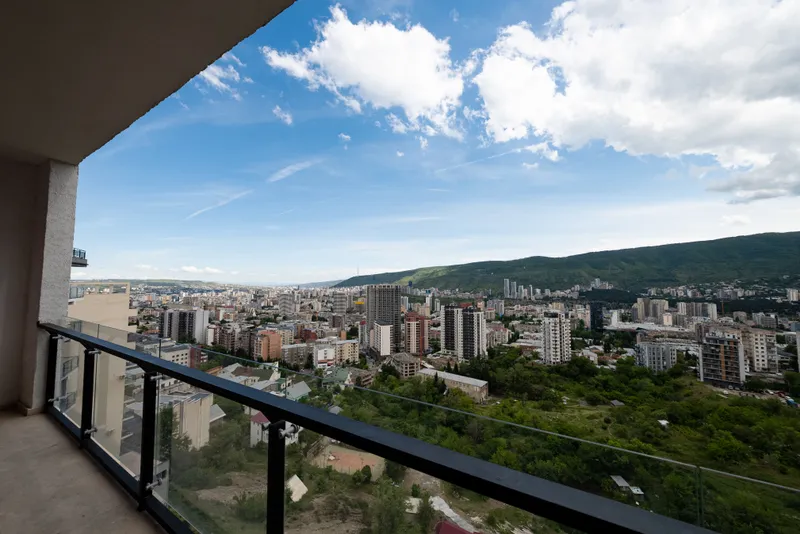
Lunch, recovery, Tbilisi free time
Bed & Breakfast guests use this time to rest, hydrate, grab lunch nearby, and reset.
Afternoon
Optional conditioning or individual work
Useful for mobility, light bags, defense drills, or coach feedback.
Evening
Boxing session, controlled rounds, combinations
Often the higher-energy session, adjusted by level and group.
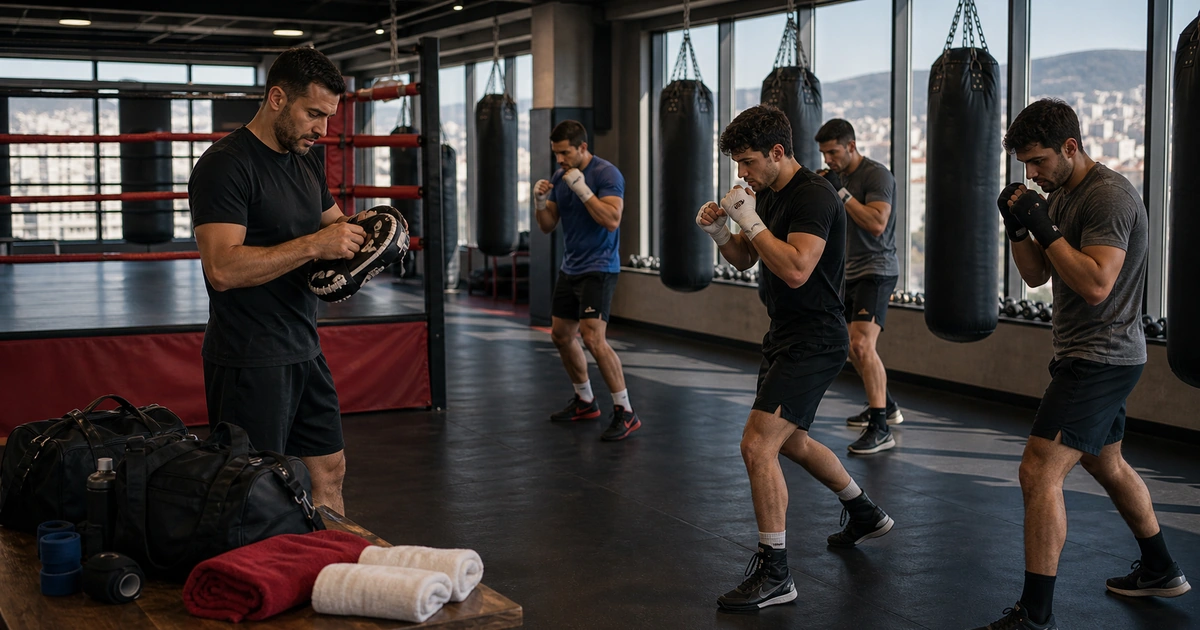
Morning session: technique, pads, drilling
Morning is usually the clearest learning block. Expect warm-up, stance and footwork, combinations, pad work, bags, defense themes, and coach corrections while the group is fresh.
This is where beginners build fundamentals and experienced boxers sharpen details that later show up in controlled rounds.
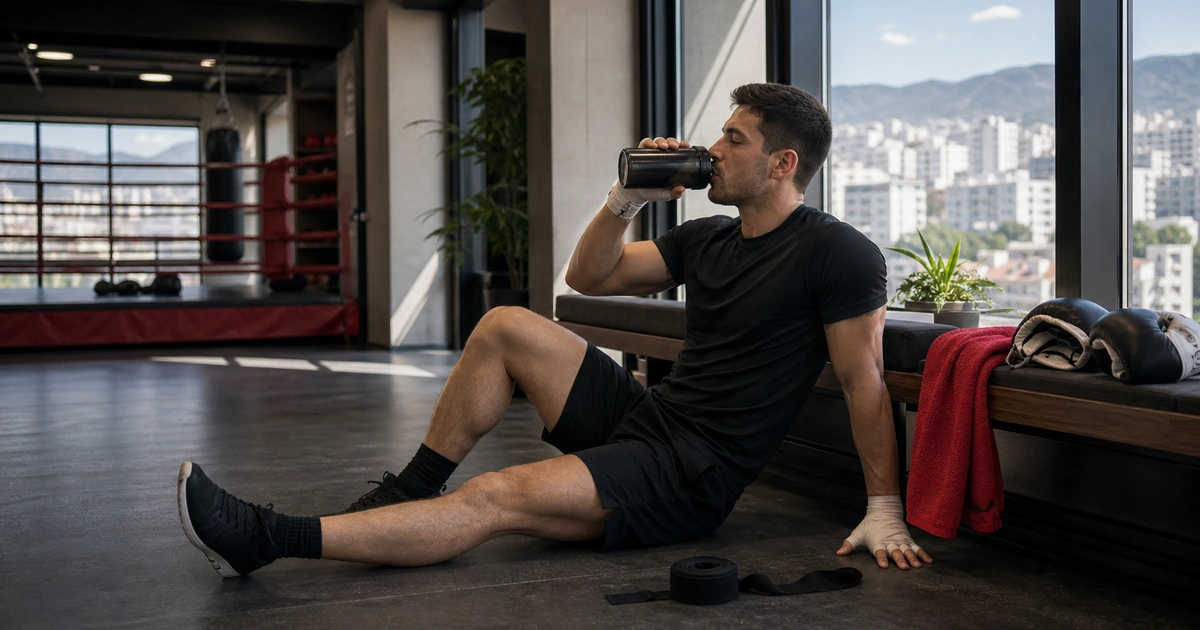
Midday recovery, food, and Tbilisi downtime
Midday is not empty time. Lunch, hydration, a shower, a nap, mobility, and a quiet walk can decide how useful the evening session feels.
Bed & Breakfast guests have breakfast and accommodation built into the trip; lunch and dinner are on you. Training-only guests should plan food and rest in advance so the schedule does not become a daily logistics problem.
Afternoon and evening training
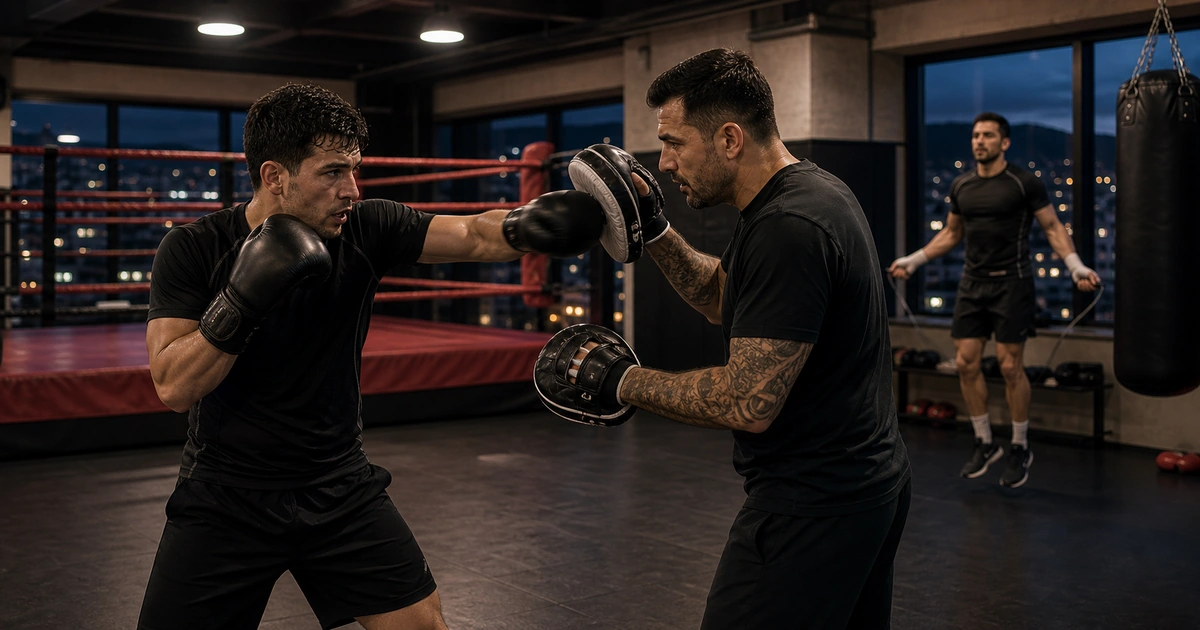
Afternoon work may be light conditioning, footwork, defense, mobility, or individual practice. Keep it useful. If you turn every optional block into a hard session, the evening work suffers.
Evening sessions are often higher-energy: combinations, controlled rounds, sparring themes, bag work, and conditioning. The safest training week is one where intensity rises only when your technique and recovery can support it.
Beginners vs experienced boxers
Beginners should focus on learning the routine, moving well, and asking for feedback. Experienced boxers can use the same schedule for timing, sparring rhythm, and deeper technical correction.
The difference is volume and pressure, not the basic structure of the day. Good coaching keeps the group rhythm shared while scaling the work.
How to choose your module
Choose 7 days if you want a focused training week and a clean first camp experience. Choose 14 days if you want more repetition, more coach feedback under fatigue, and a stronger recovery rhythm.
Check the dates page before booking because modules start monthly on the first Tuesday.
Match the schedule to your month
Review the upcoming starts, then tell us whether you want 7 or 14 days and how much boxing experience you have.
View camp datesRelated Guides
Ask Gymnasia to check your dates
An enquiry does not reserve a date or place. Wait for written availability, total price, inclusions and booking terms before paying or booking non-refundable travel.
Boxing Camp FAQ
How many boxing sessions are there in a camp day?
A typical day can include a morning technical session and an evening boxing session, with optional afternoon work depending on the group and coach plan.
Is there free time during Boxing Camp Georgia?
Yes. Midday is usually used for lunch, rest, recovery, or Tbilisi downtime before the evening session.
Does the schedule change for beginners?
The daily rhythm can stay similar, but intensity, contact, and technical expectations should be scaled to the athlete.